
By Lisa McFarren-Polgar
At the XV International Baroque Music Festival in the Chiquitania, music more than filled the air, it breathed life into history. When the Orquesta Misional de San José de Chiquitos took the stage at the Mission of Concepcion, each note resonated with centuries of memory, devotion, and cultural fusion. Their sound, born within the walls of places like the San José de Chiquitos Mission and the other 9 Jesuit Missions of Bolivia’s Chiquitania (a tropical zone located between the city of Santa Cruz and Brazil) carries the unmistakable imprint of a unique encounter between Indigenous traditions and European Baroque forms forming a bridge between the past, present and future generations.
Orquesta Misional de San José de Chiquitos
This is not music preserved behind glass or confined to archive. It is alive and empassioned. Recognized by UNESCO as part of humanity’s Intangible Cultural Heritage, this tradition was transmitted through the performers and into the audience, bridging past and present in a shared emotional experience. Each performance of the many musicians in the more than 20 temples became an act of continuity, a declaration that culture is not only remembered, but felt and renewed through the generations.
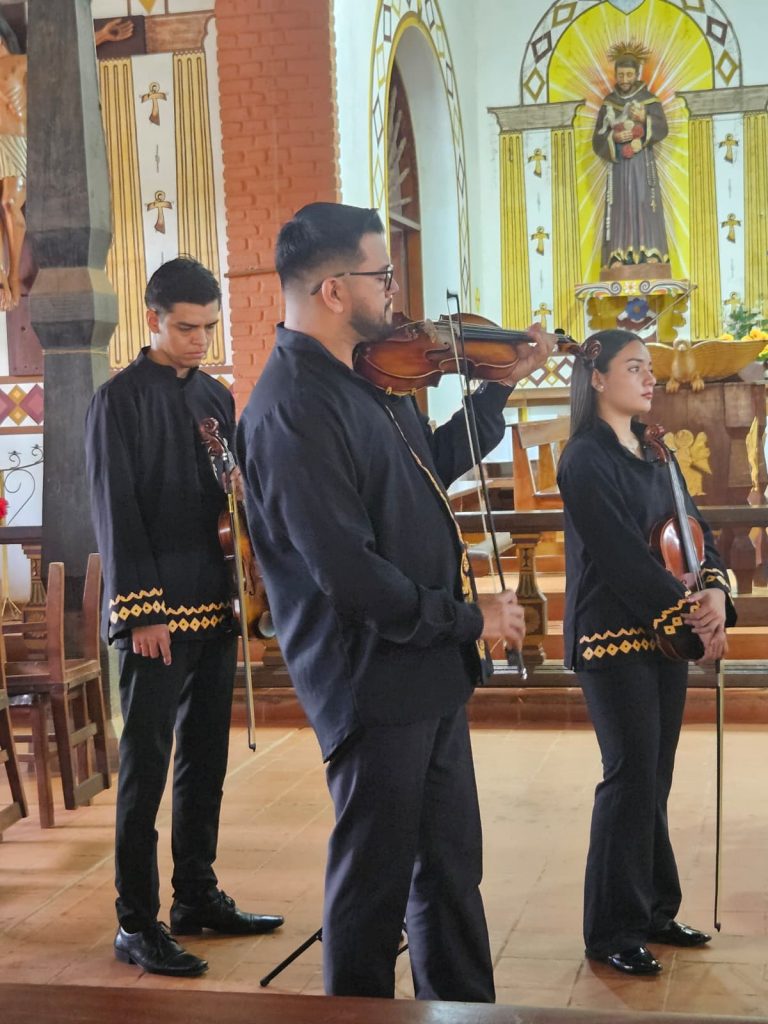
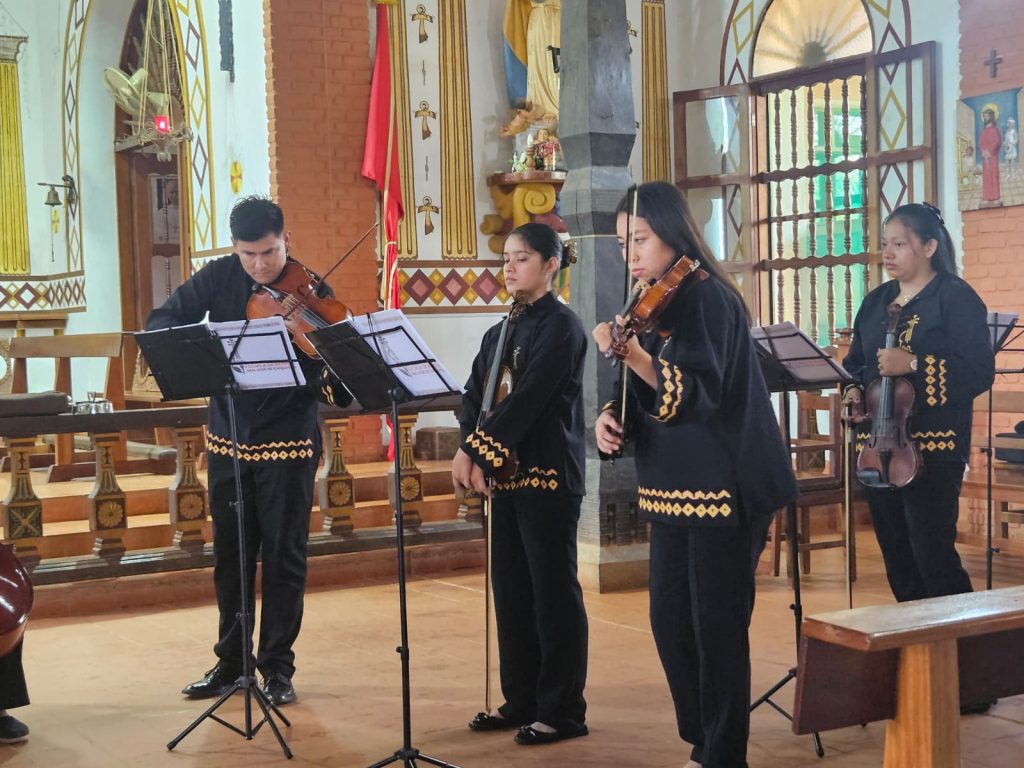
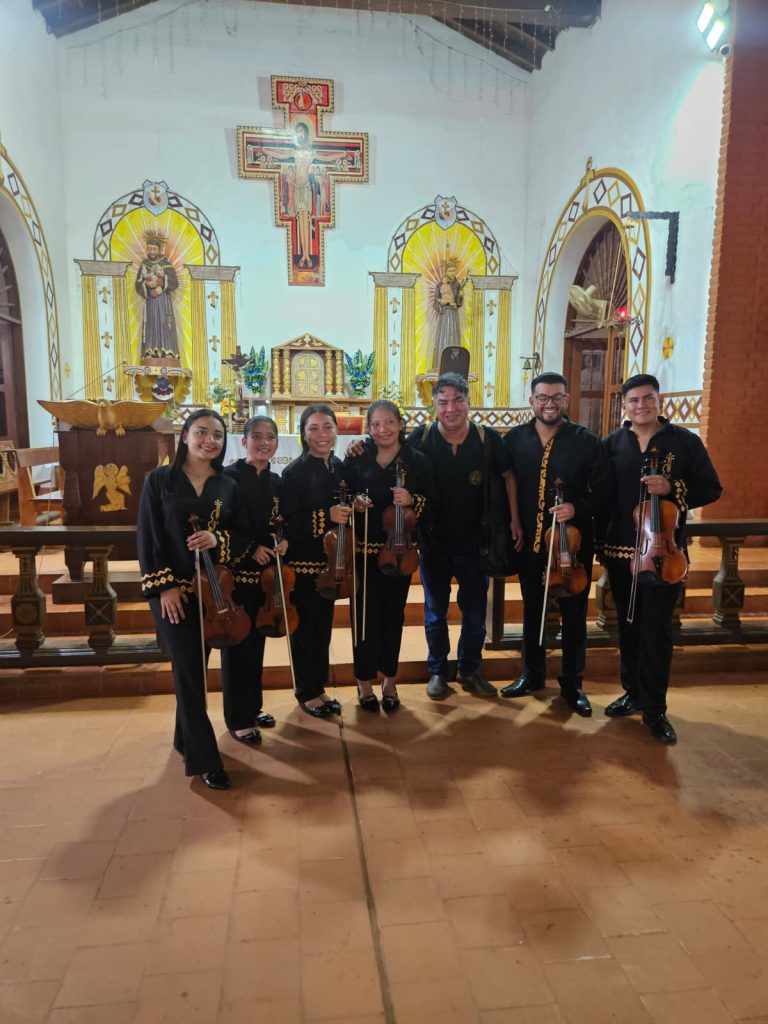
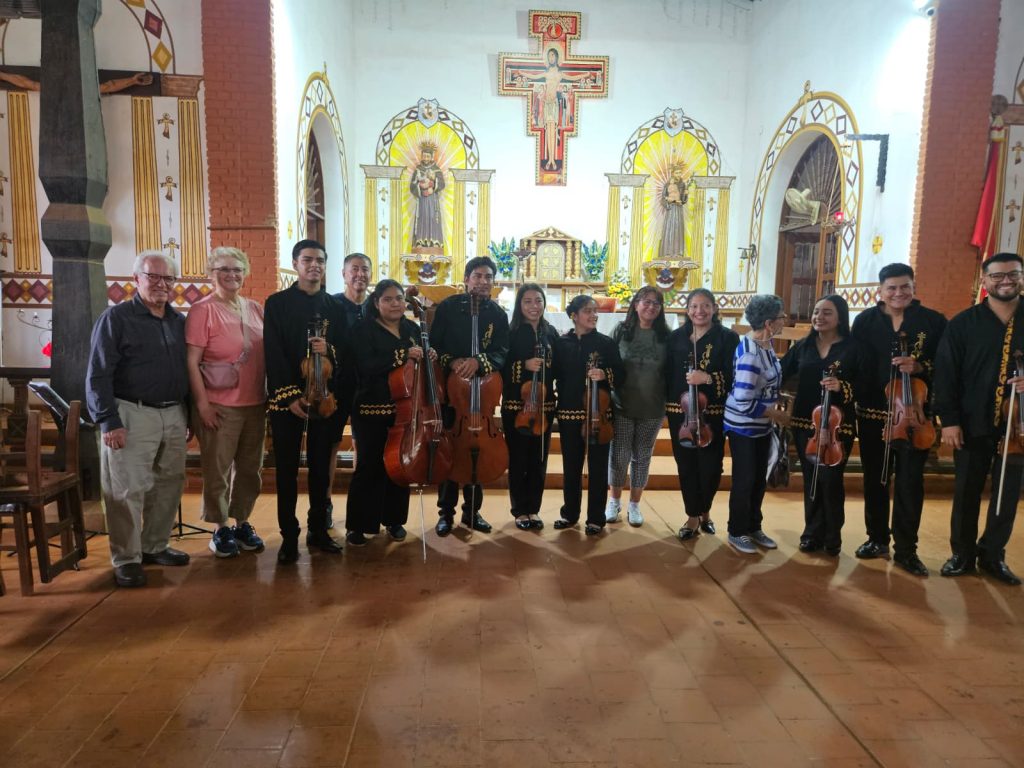
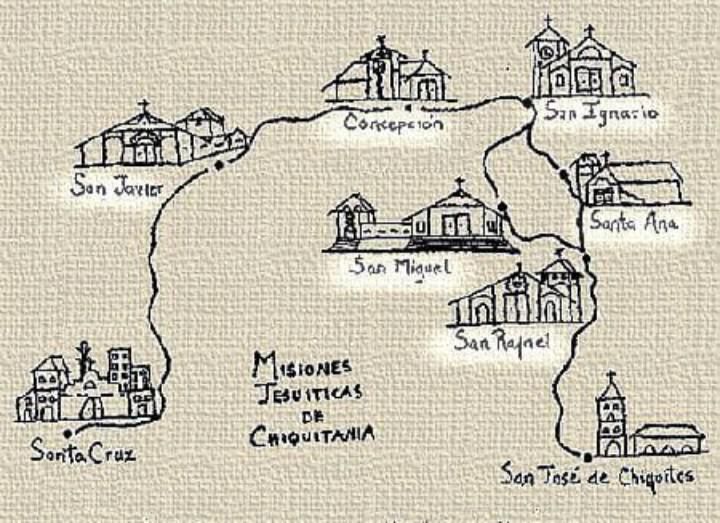
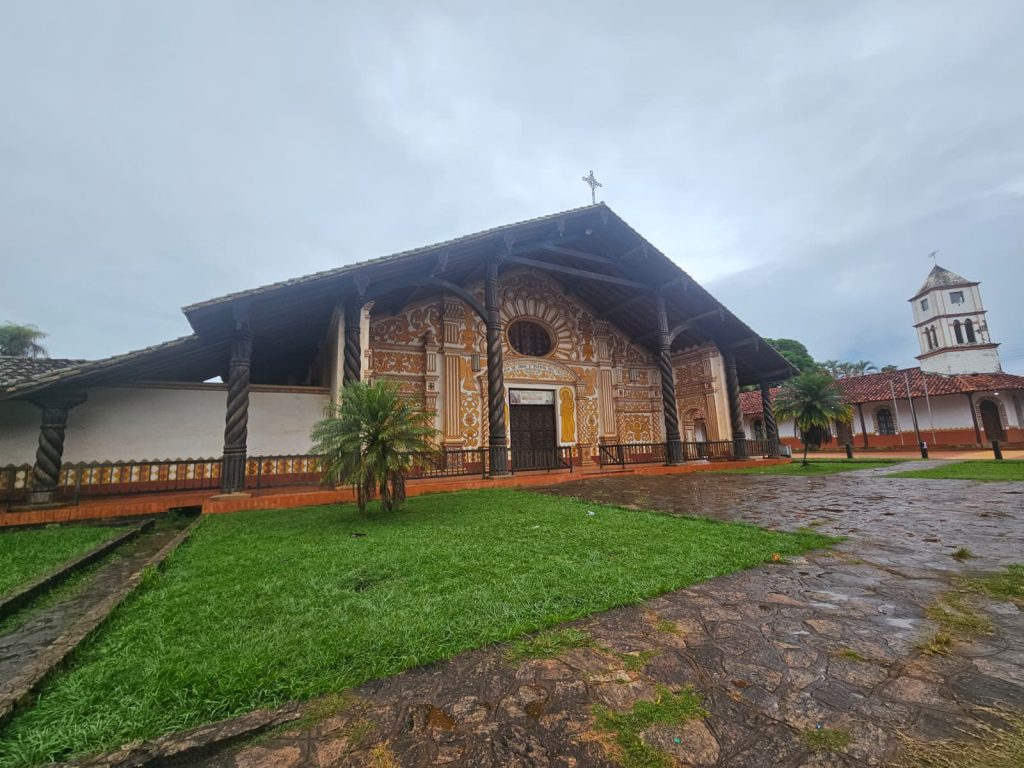
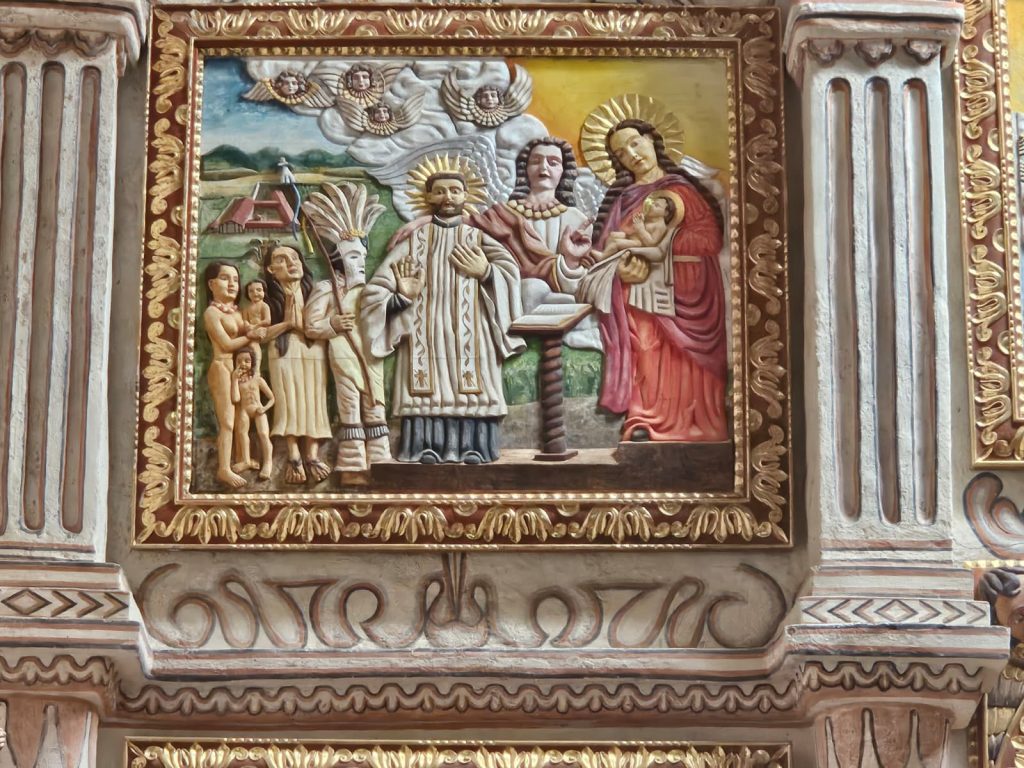
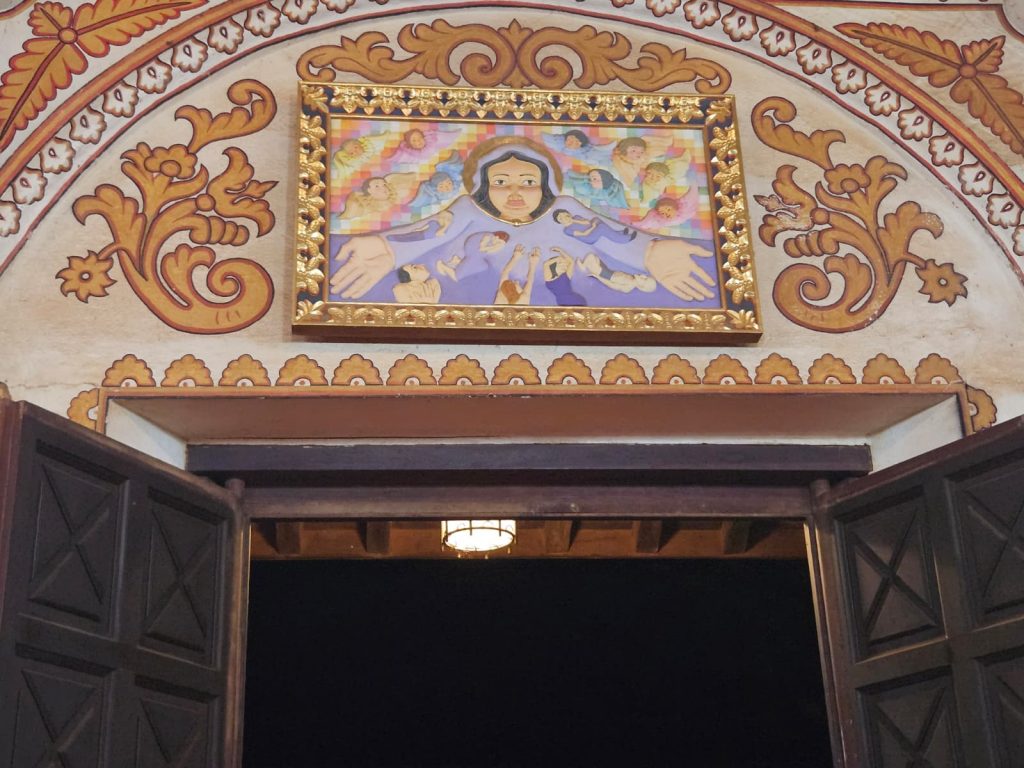
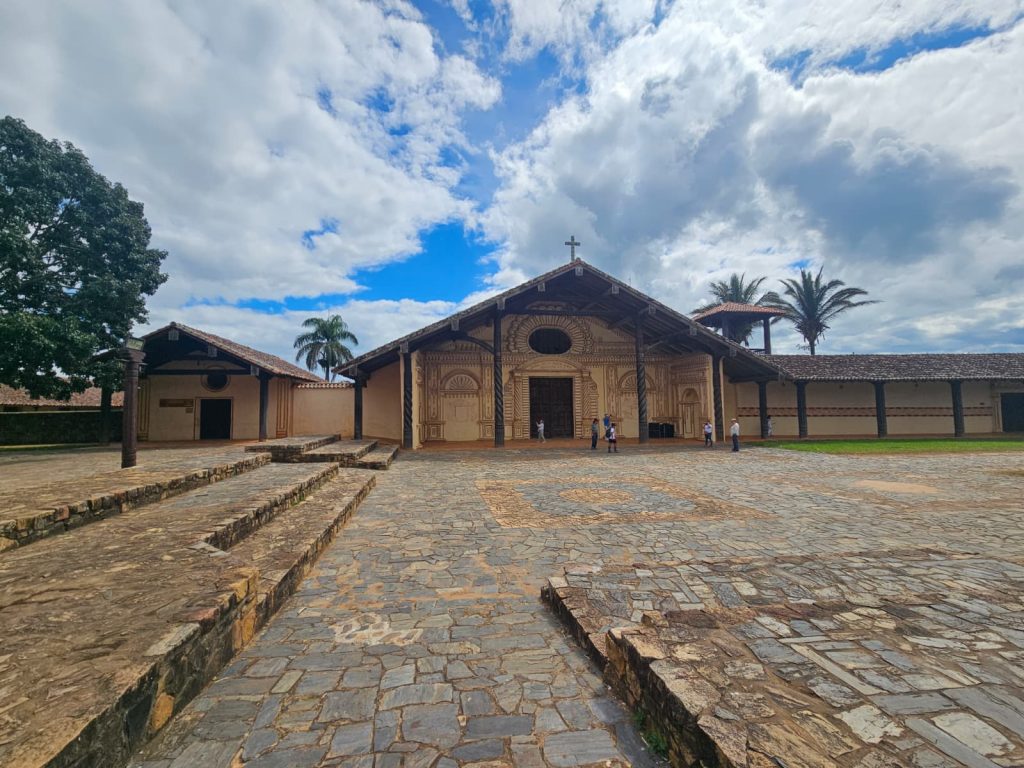
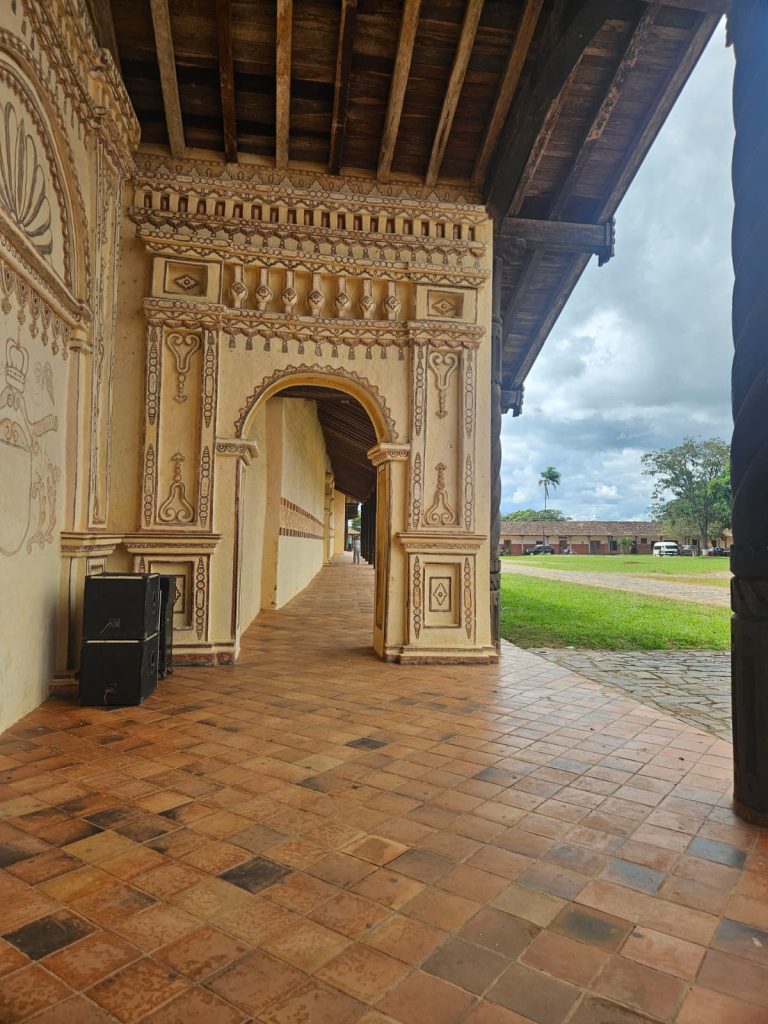
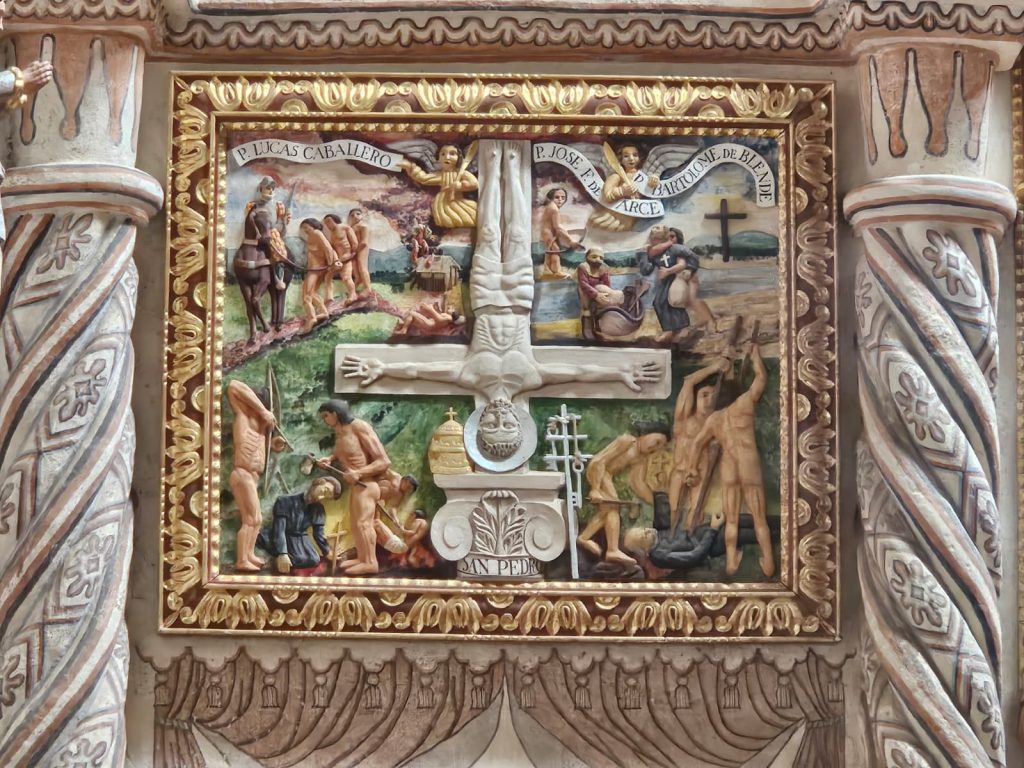
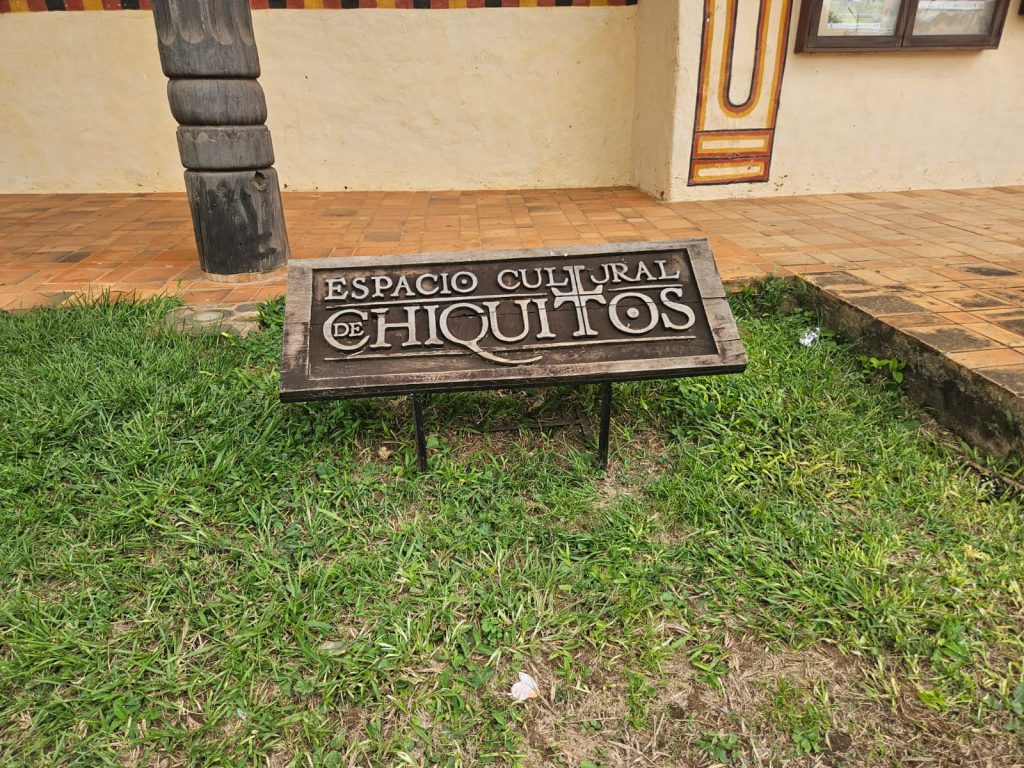
The Festival, launched on April 17 this year, is a living expression celebrated by international performers who travel from around the world to participate with simultaneous concerts in Santa Cruz de la Sierra, the “Misiones de Chiquitos” and in Tarija, reaffirming Bolivia’s place on the global stage for Baroque Music performance.
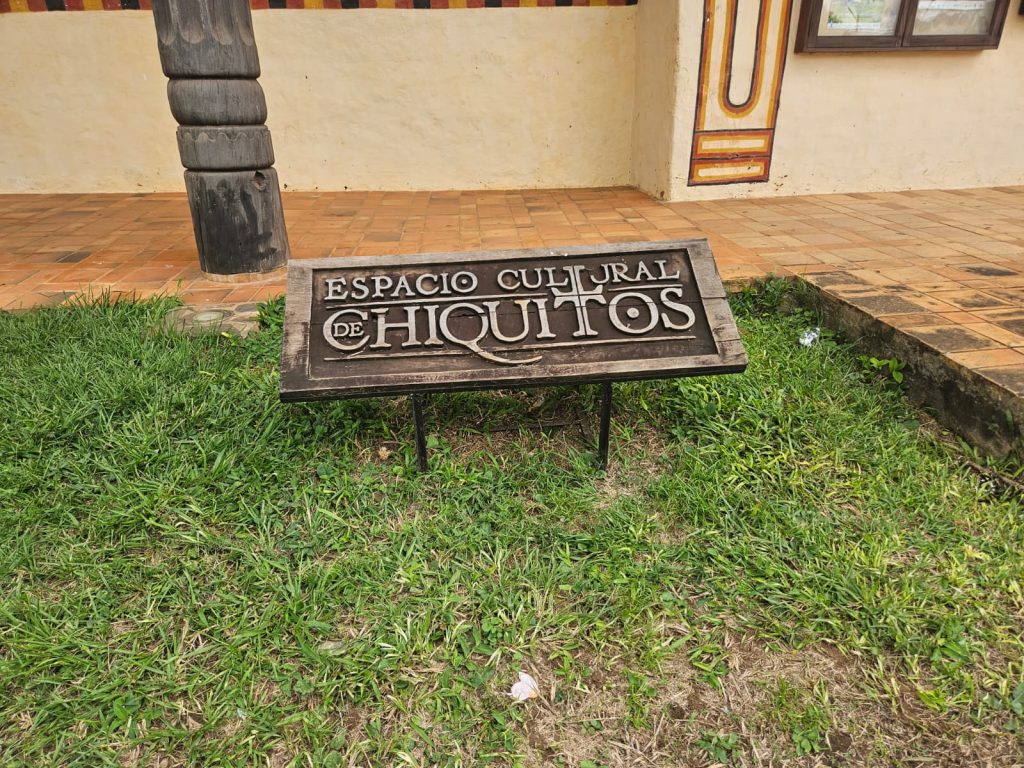
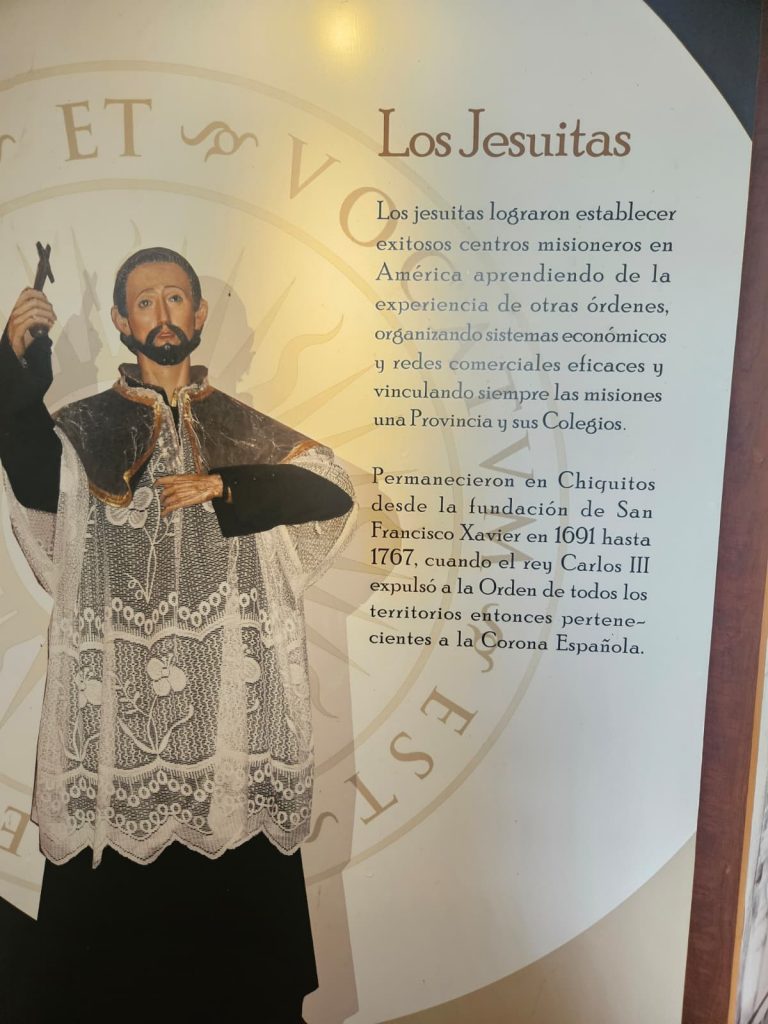
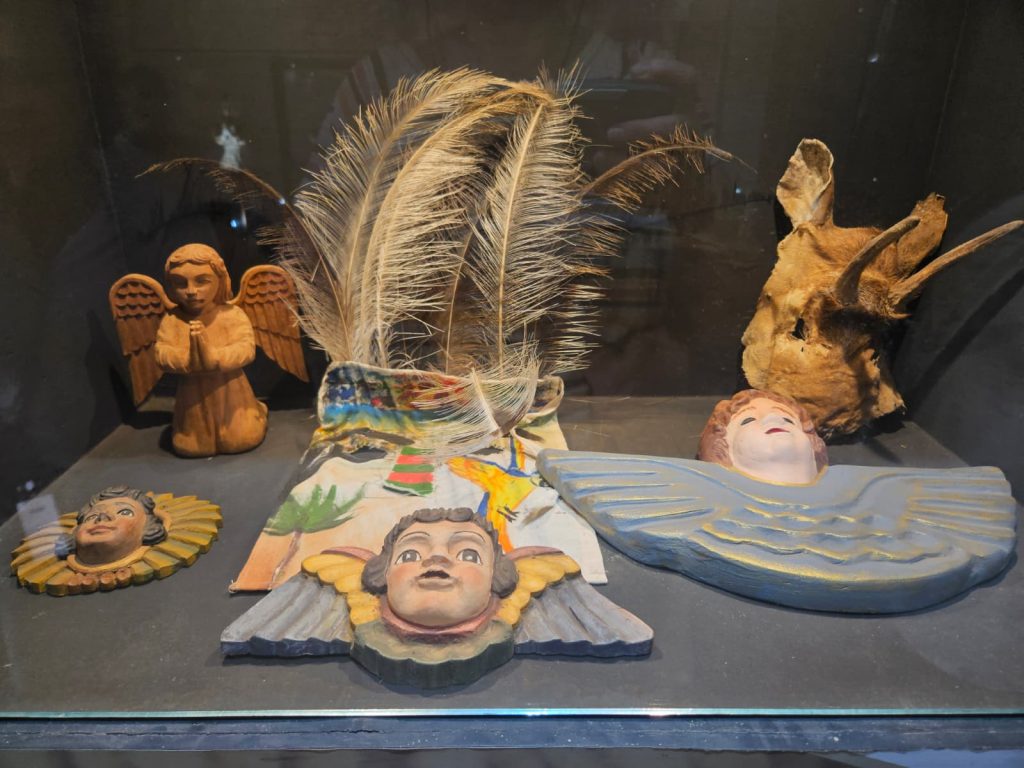
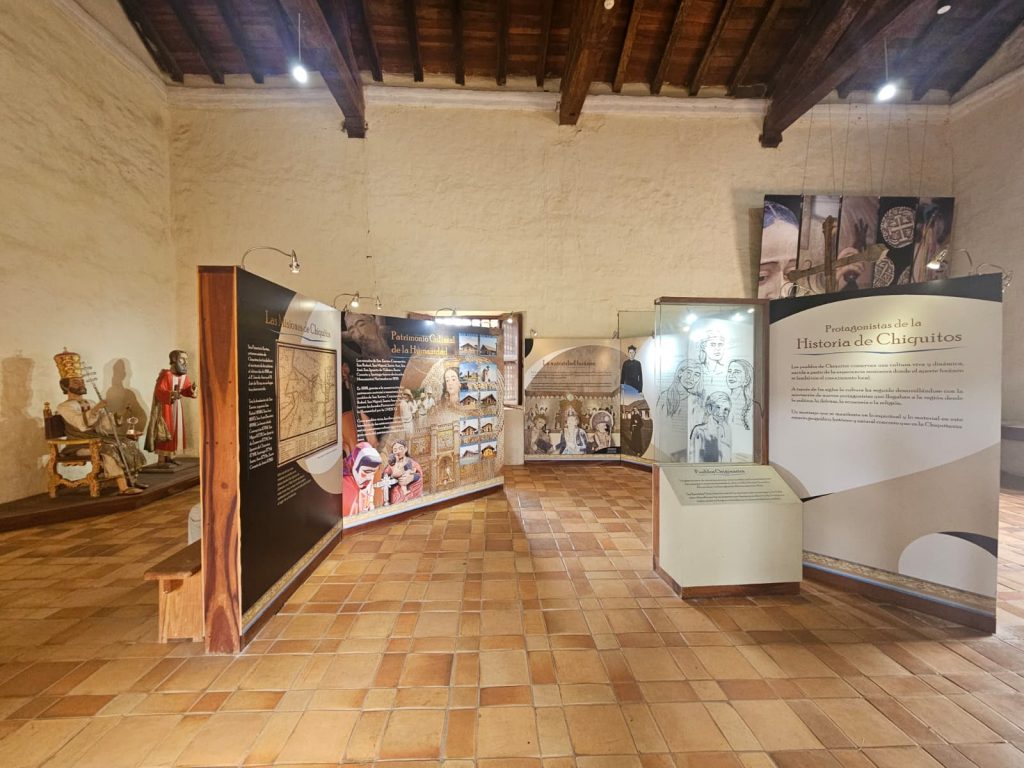
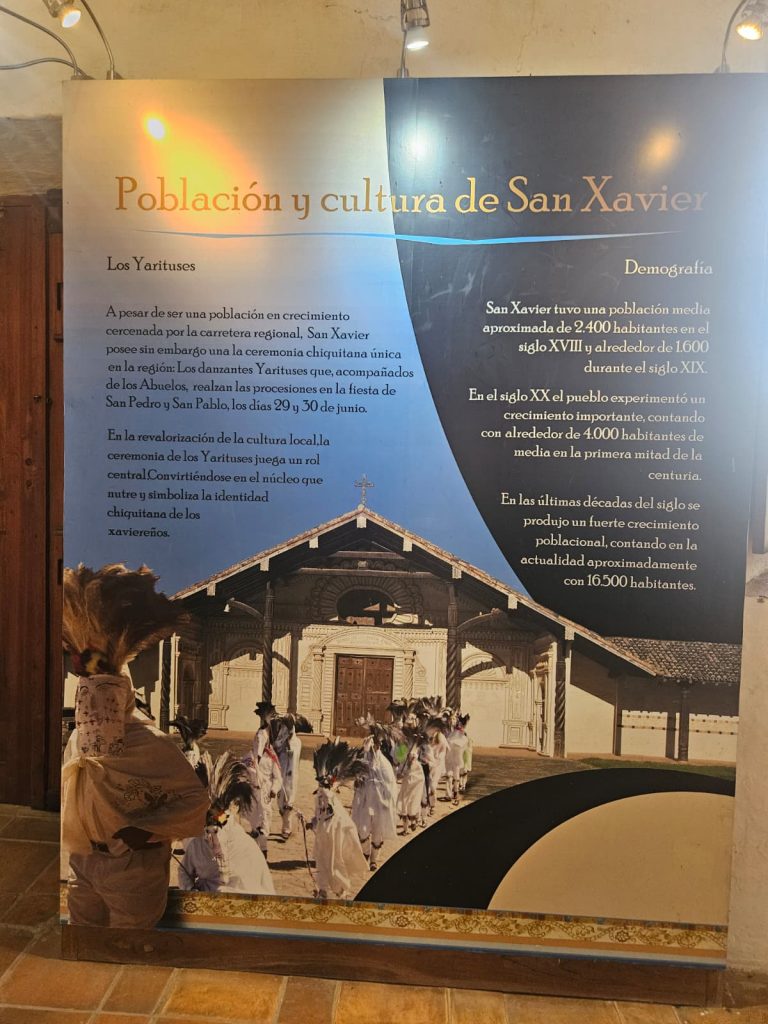
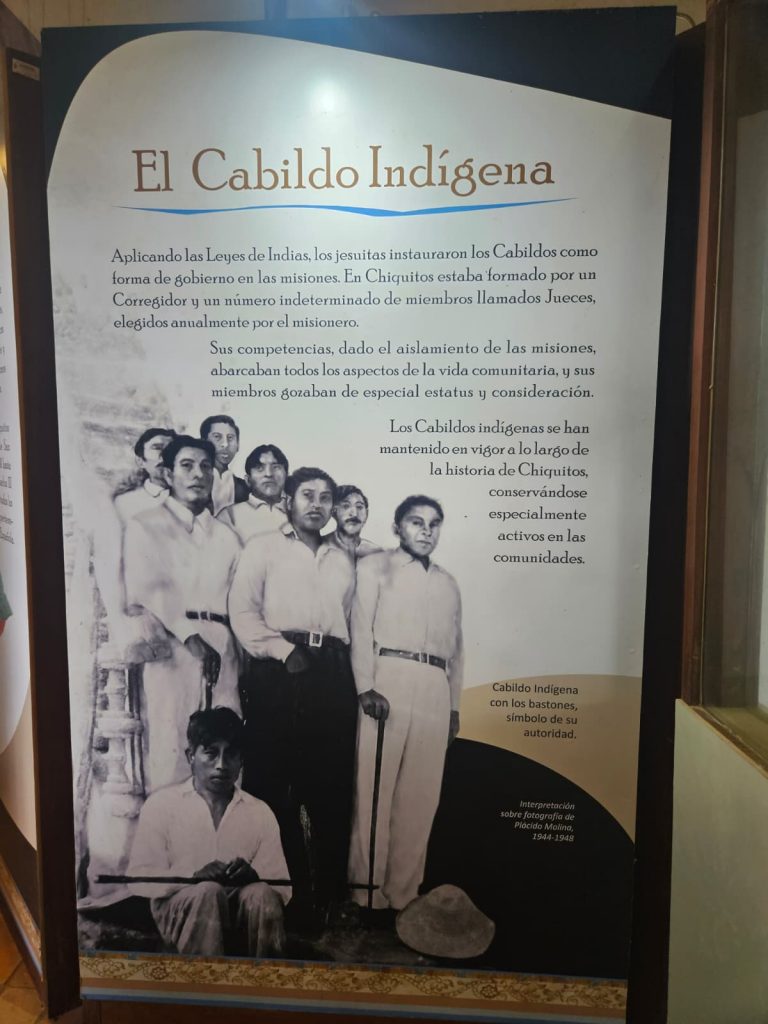
Just as the baroque music of the Chiquitania was born out of a symbiosis between the Spanish Jesuit priests and the indigenous population in the 17th and 18th centuries, so today’s Festival is enriched by the participation of indigenous communities and European ensembles. The concerts brought together more than 1,000 musicians from Bolivia and 18 other nations. In Santa Cruz, the Ensemble of the Swiss Schola Cantorum Basiliensis and the Collegium Musicum ’23 joined the Bolivian Choir and Orchestra of Urubicha. In San Javier, the public was thrilled with the performance of Arakaendar, a Bolivian-British ensemble, directed by Ashley Solomon. These performances reaffirm the vibrancy of the Chiquitania communities and the global reach of the festival.
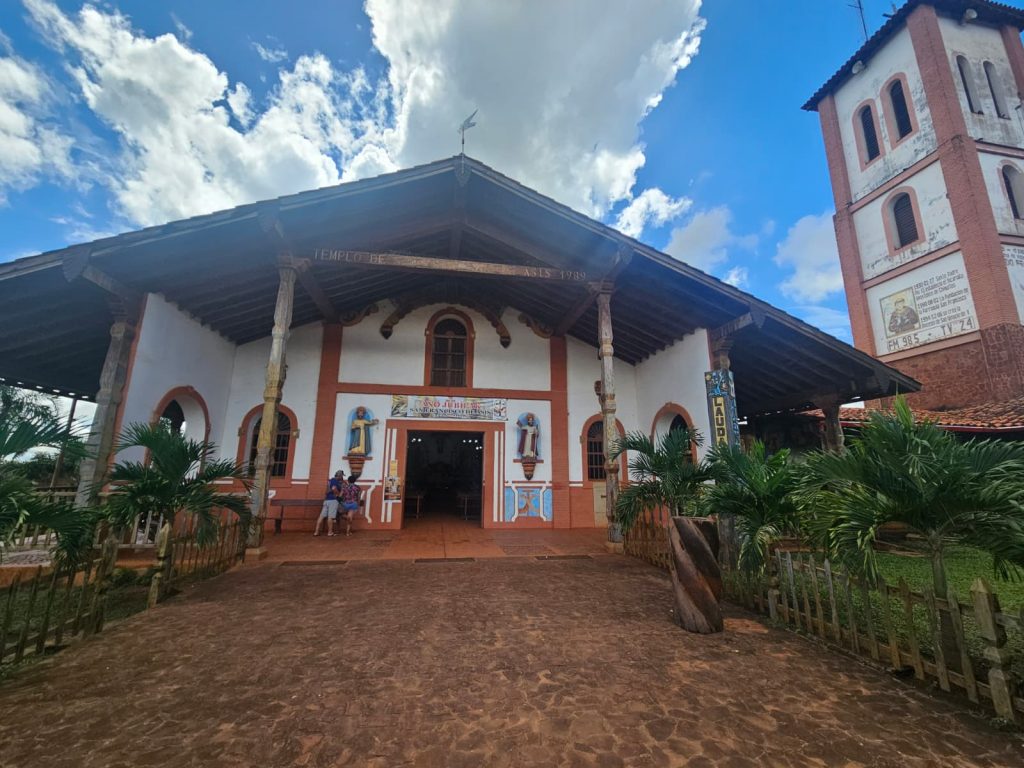
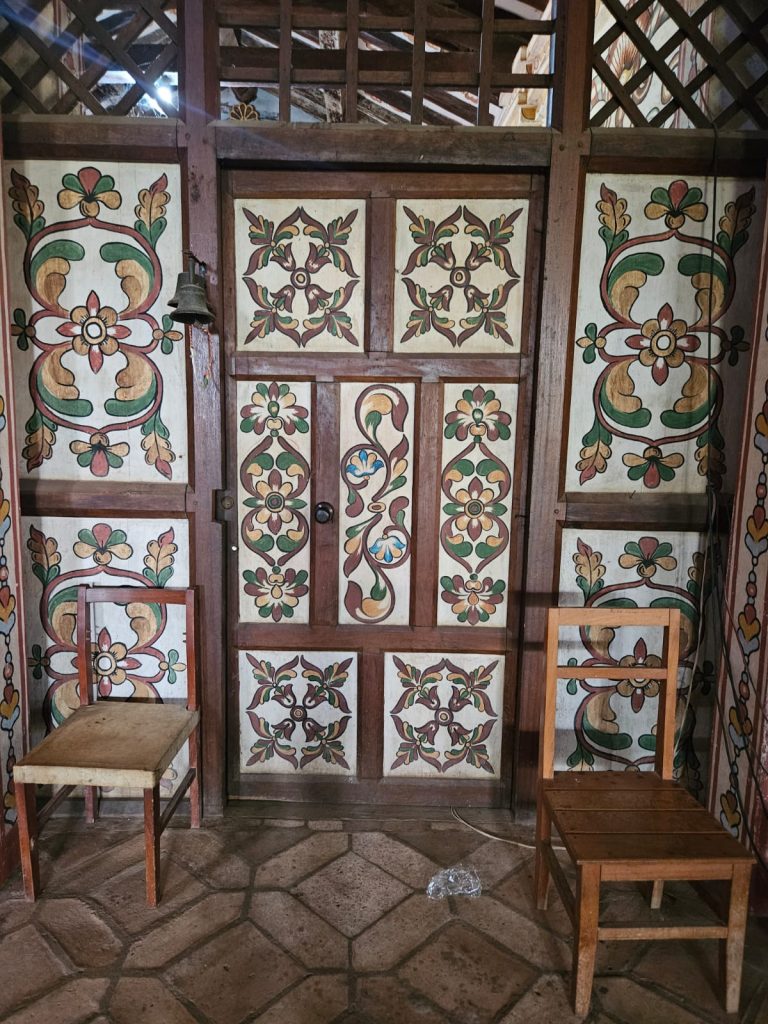
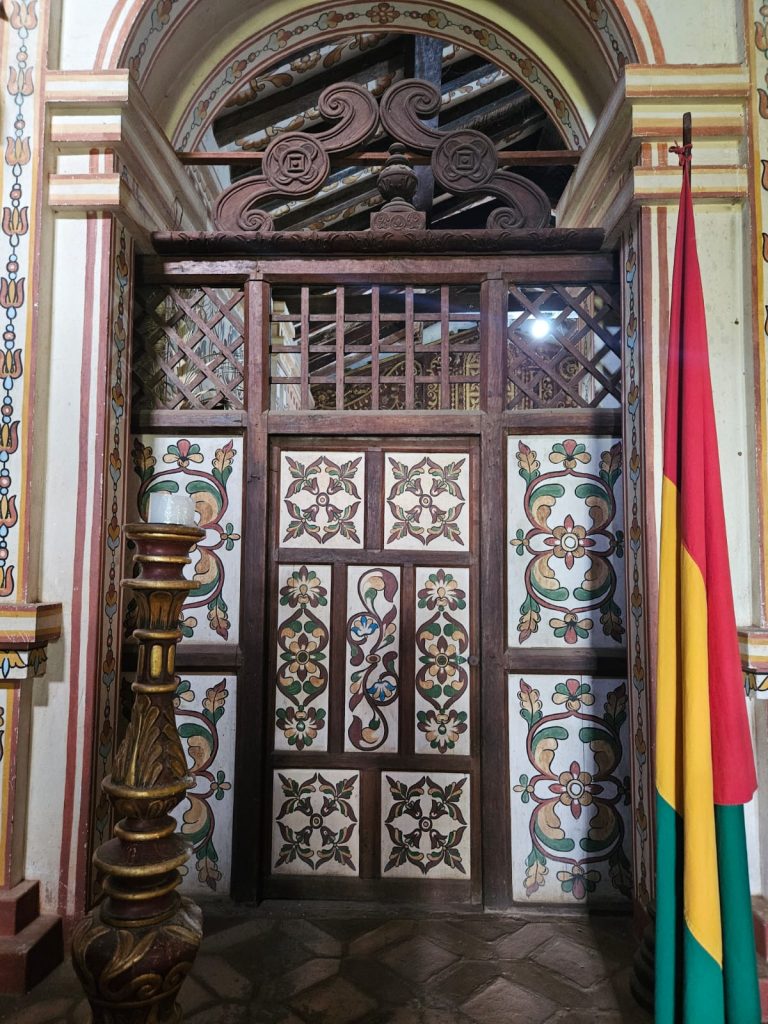
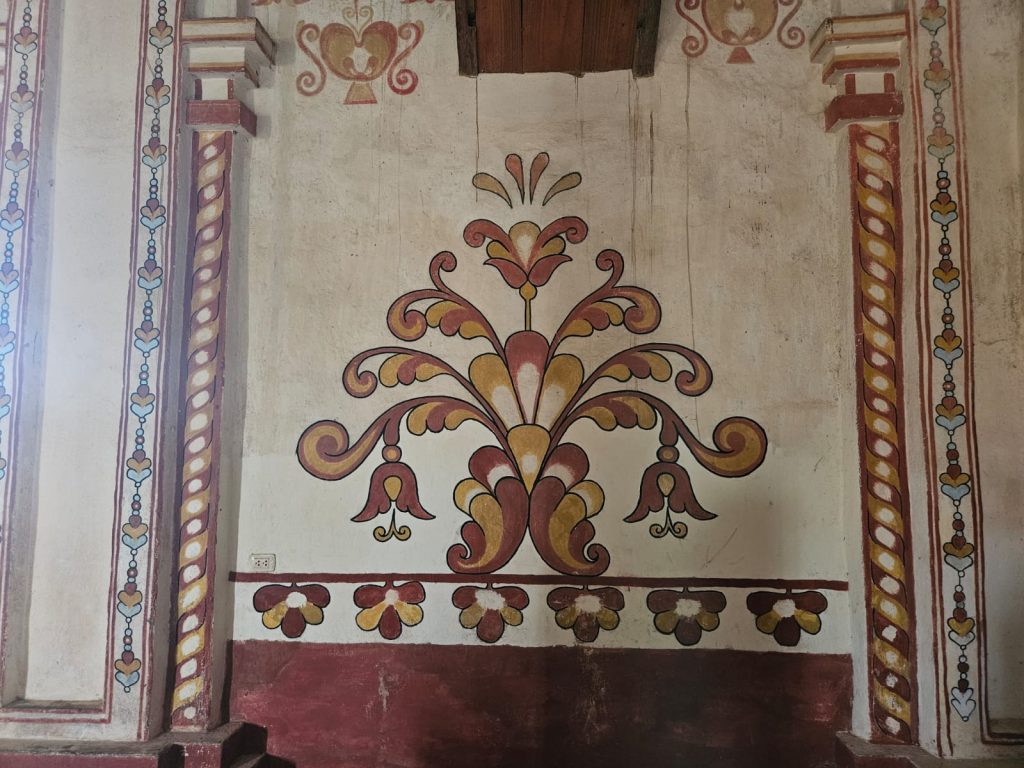
One of the Panamerican-Panafrican Association’s (the PaPa’s) founding member, the late musicologist, Dr. Francisco Curt Lange, shares the distinction of having discovered many of the musical scores from the same 17th and 18th century period in neighboring Brazil in the region of Minas Gerais. Similarly to the region of the Chiquitania, Jesuit priest trained indigenous as well as enslaved Africans to perform and compose music in the Baroque music genre. These composers were featured in a concert performance that the PaPa organized in 1976 at the United Nations General Assembly, featuring an all-Black symphony orchestra, and the choirs of Morehouse and Spellman colleges with stars of the opera stage. It was, similar to today’s Chiquitania Festival, a recognition of the musical genius of a confluence of cultures.
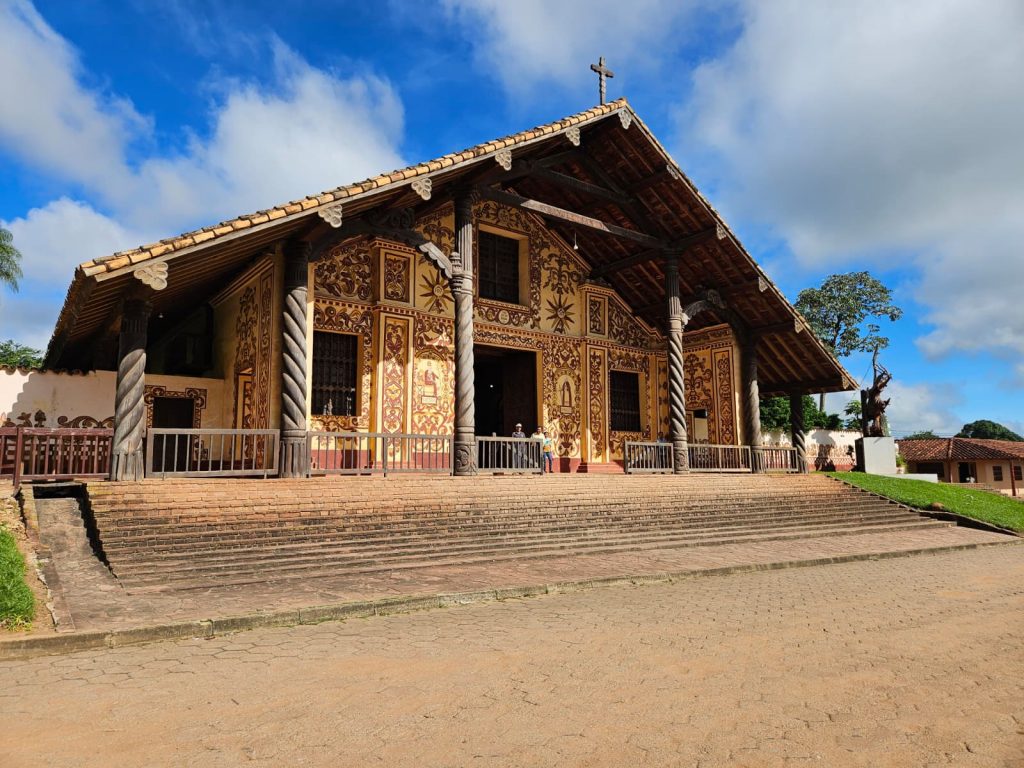
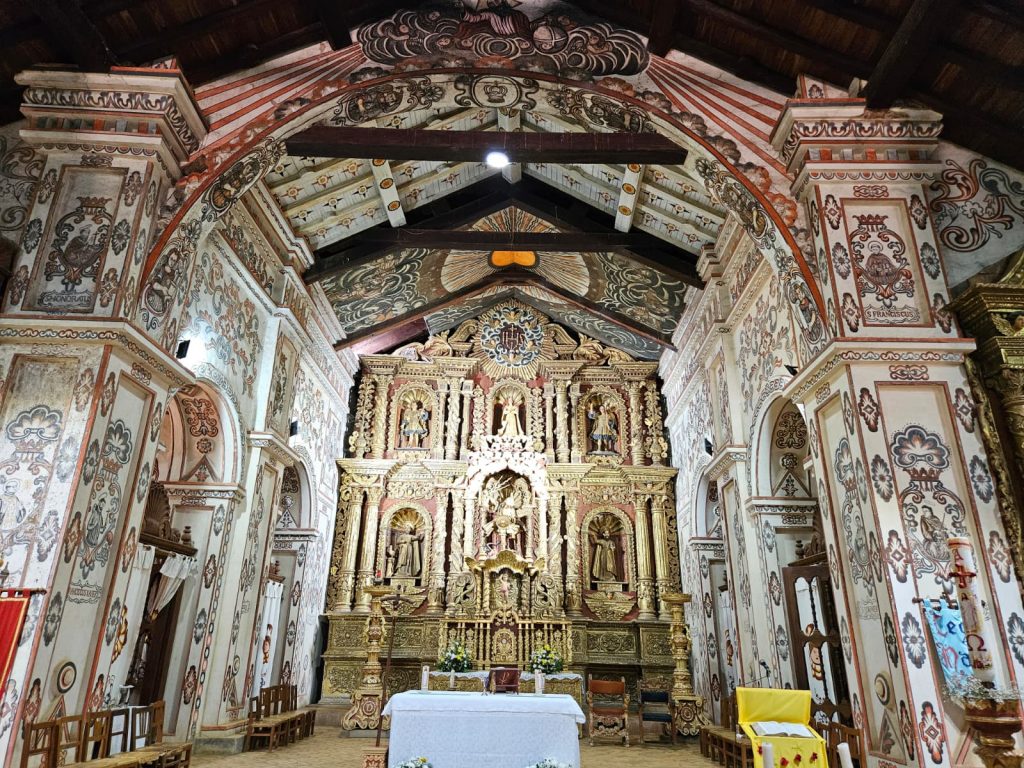
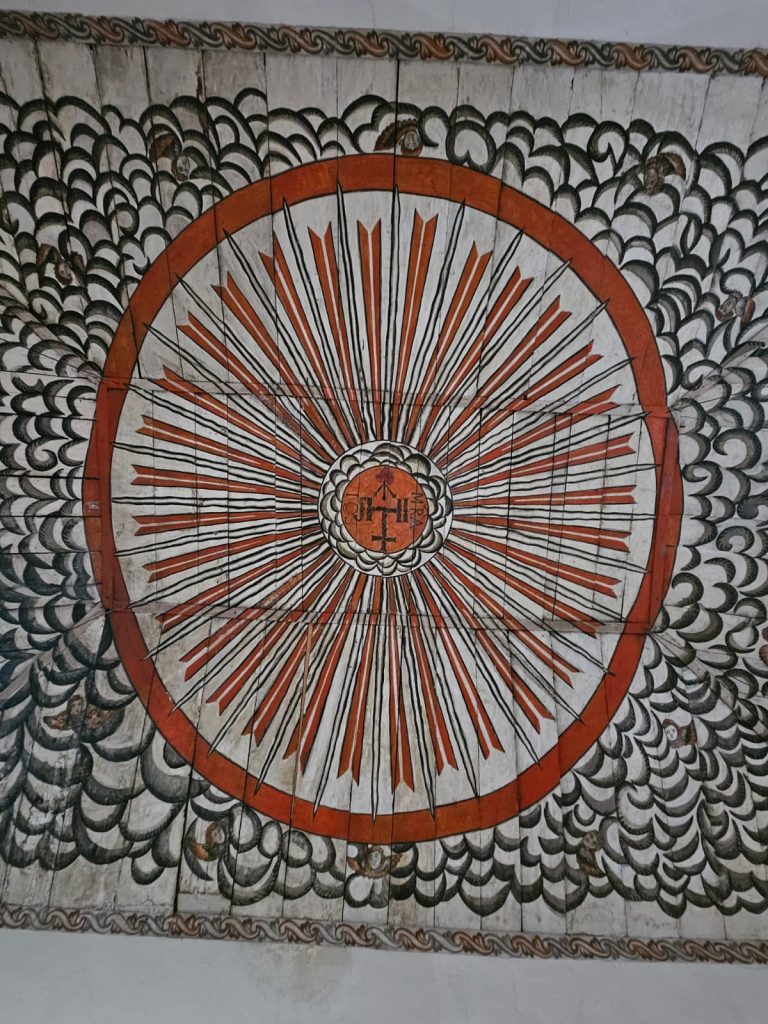
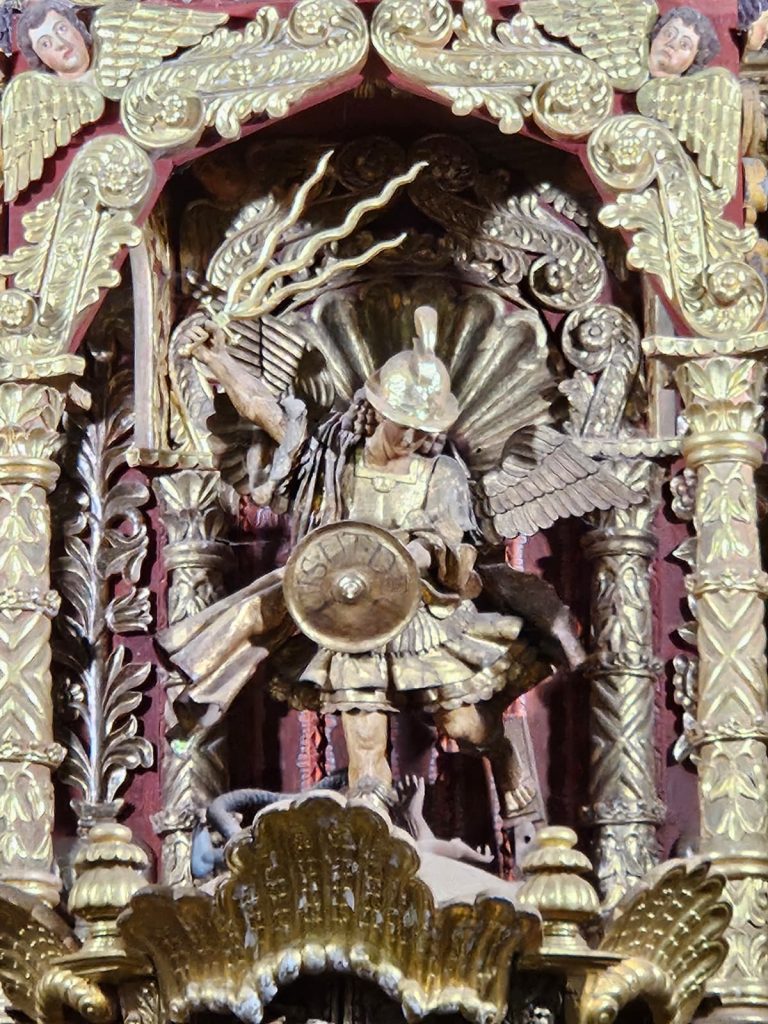
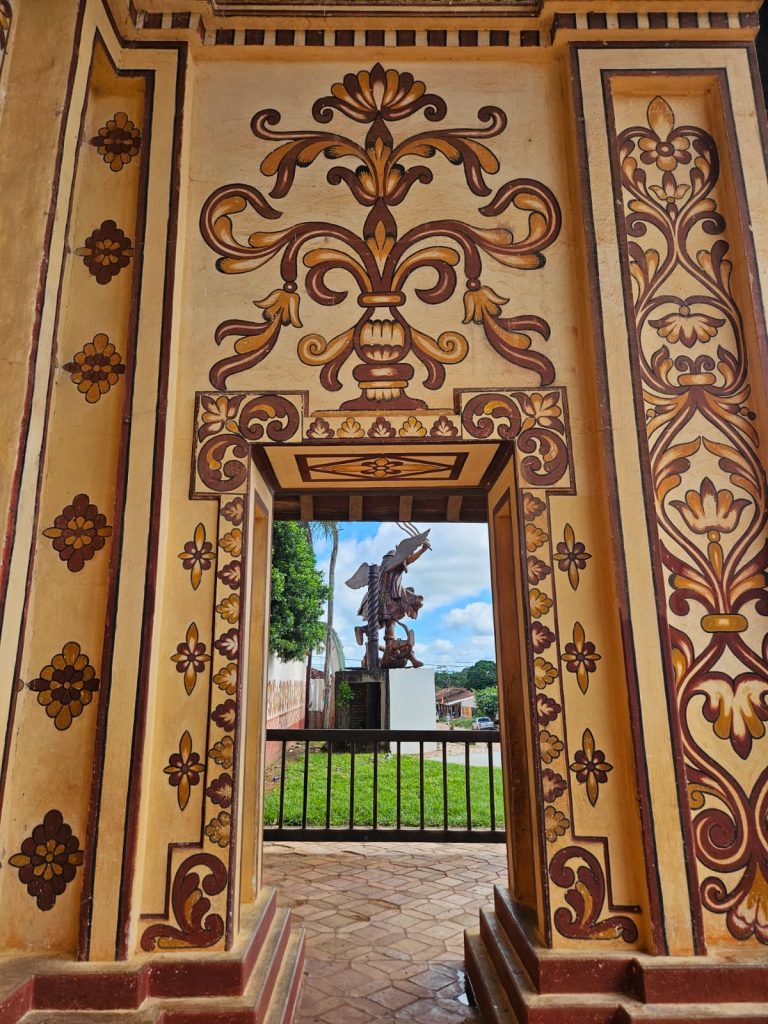
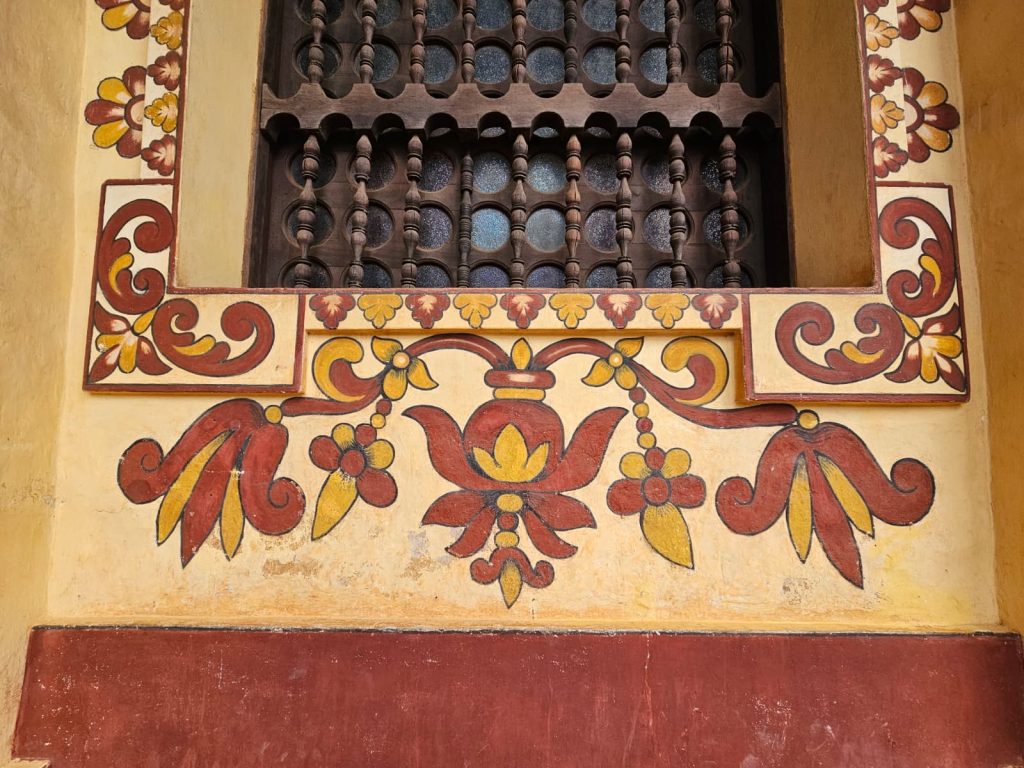
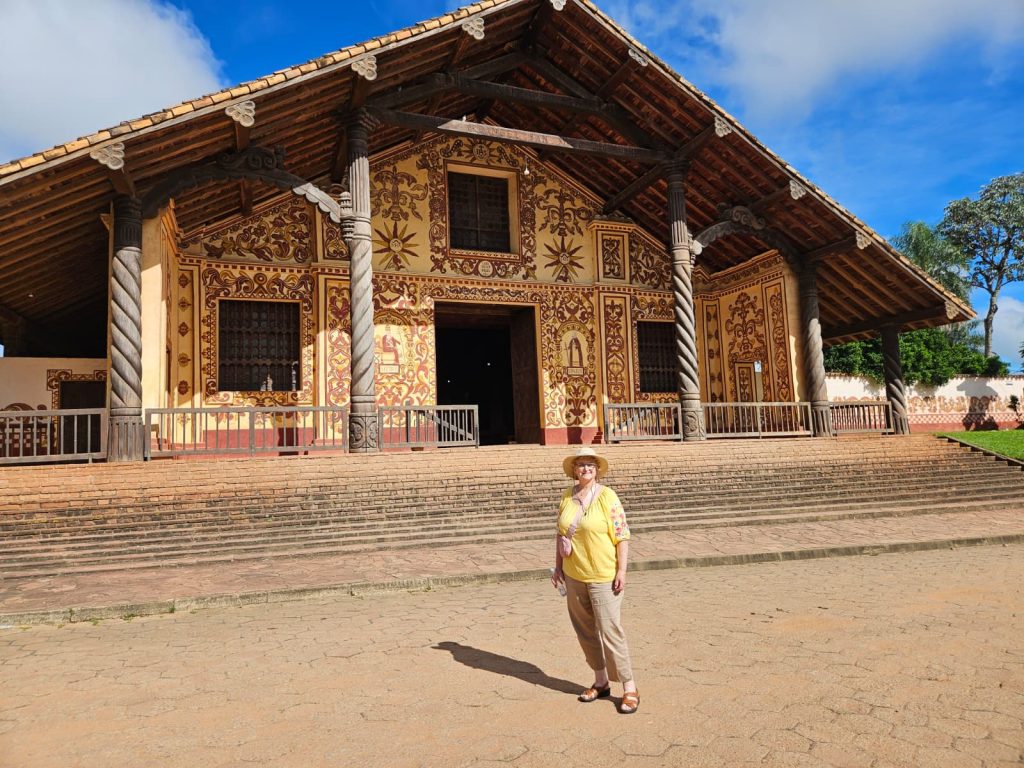
Mission of San Miguel
Percy Añez Castedo, president of the Board of Asociación Pro Arte y Cultura (APAC) APAC, the organizing body of the Festival, commented, “The festival demonstrates that our patrimony continues to beat in our communities. It is an effort that mobilizes Chiquitos and projects its identity to the world. Today we celebrate 30 years of community efforts and the XV Festival as the most important one of its kind in the world.”
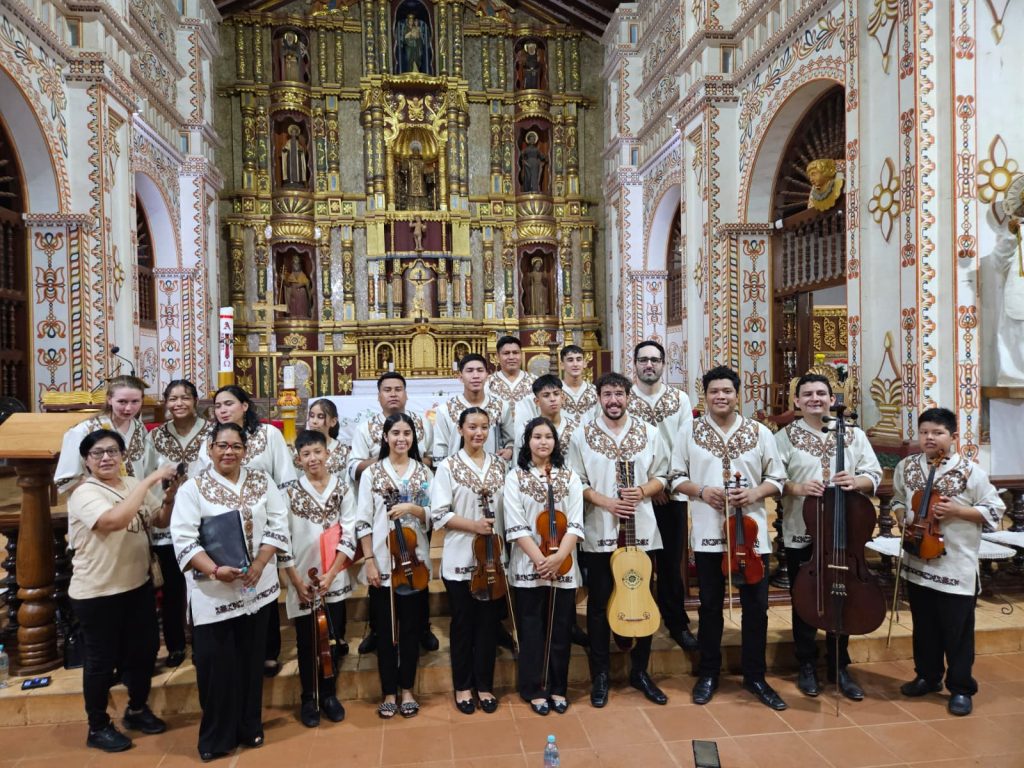
Swiss Duo Totem and the Coro and Orquesta Misional de Santiago de Chiquitos
This year, the Swiss Ambassador, Maja Messmer, was a special guest during the Festival, in recognition of the historical and cultural ties that unite Switzerland and Bolivia. It was the Swiss Jesuit Priest, Martin Schmid, who built three of the Chiquitano Missions in the 18th century, creating music schools and leaving behind a rich repertoire of musical scores that are still performed today. It was also the Swiss architect Hans Roth, who in the mid 20th century, took on the challenge of restoring the Missions’ architectural beauty. In the course of preserving this legacy, many musical scores were discovered and archived for future generations. 5,500 scores, written by both European and indigenous composers have been preserved in Chiquitos.
The remarkable concert by the Swiss Duo Totem and the Coro and Orquesta Misional de Santiago de Chiquitos featured the Swiss virtuoso flautist, Nina Lecocq.
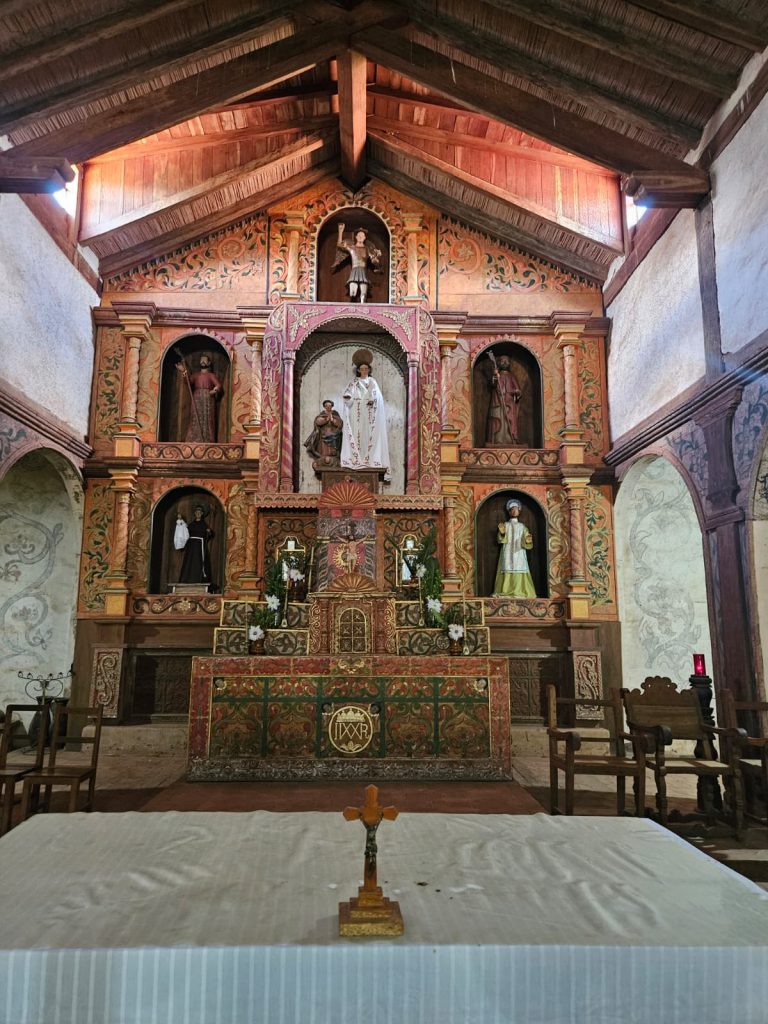
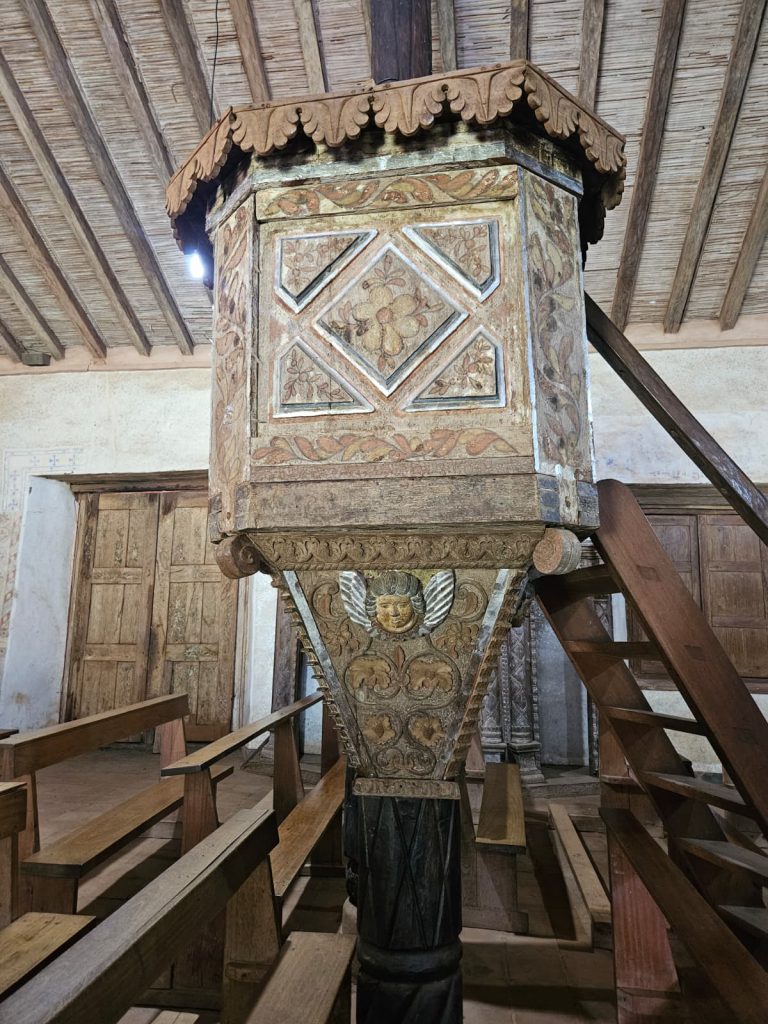
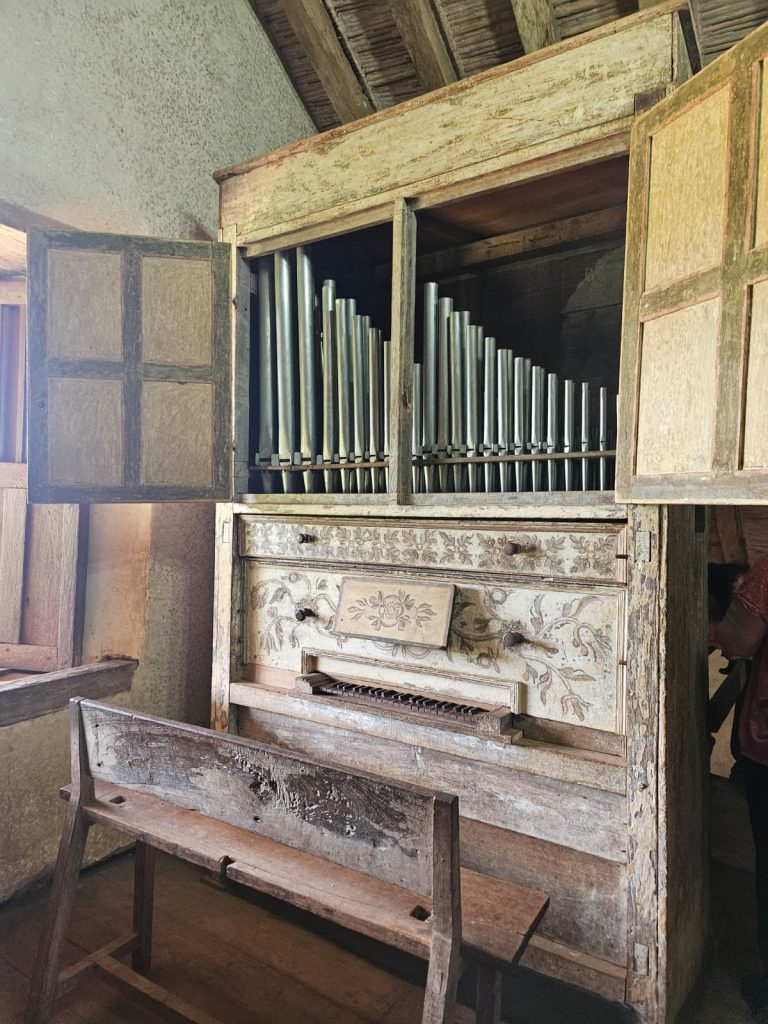
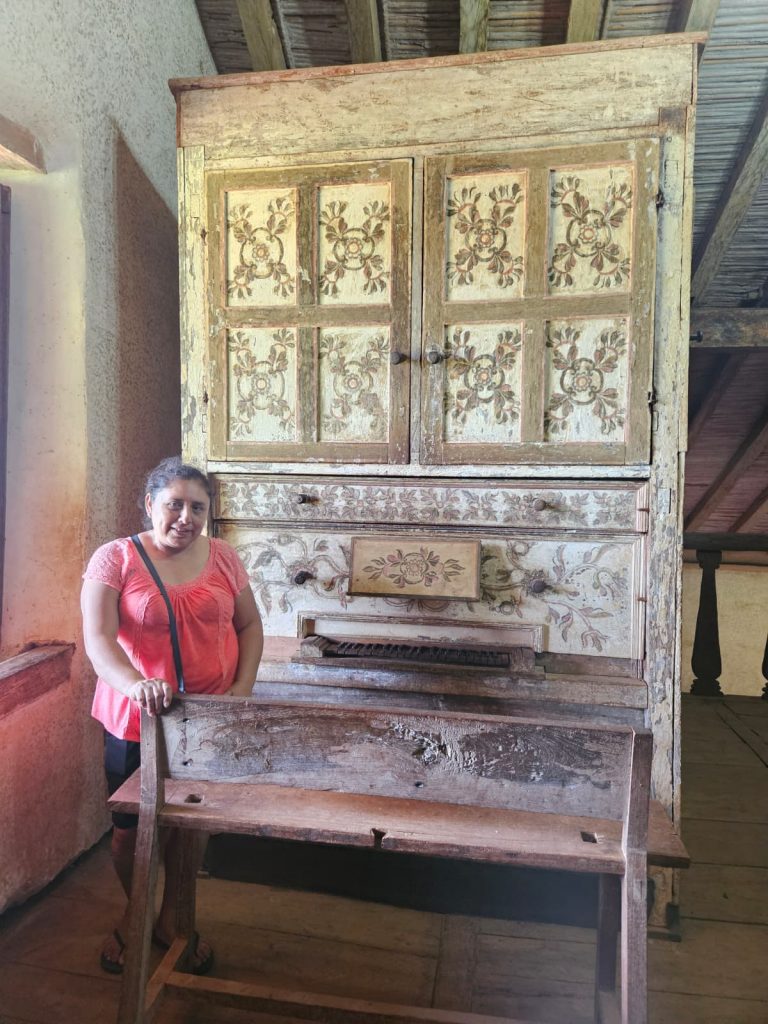
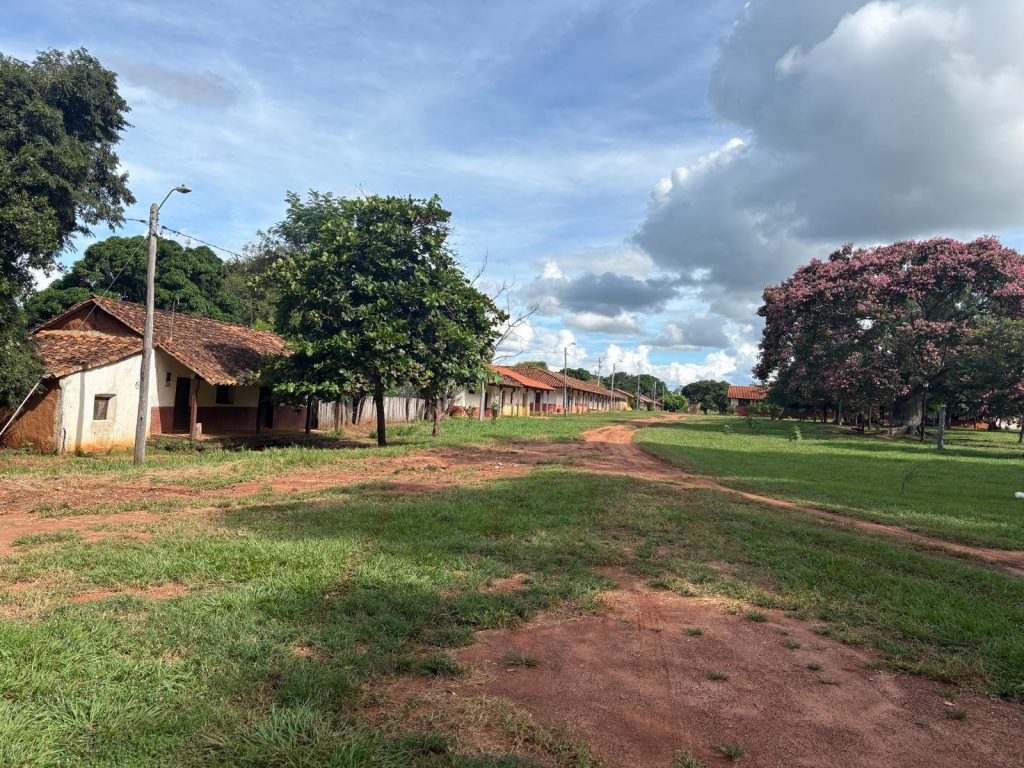
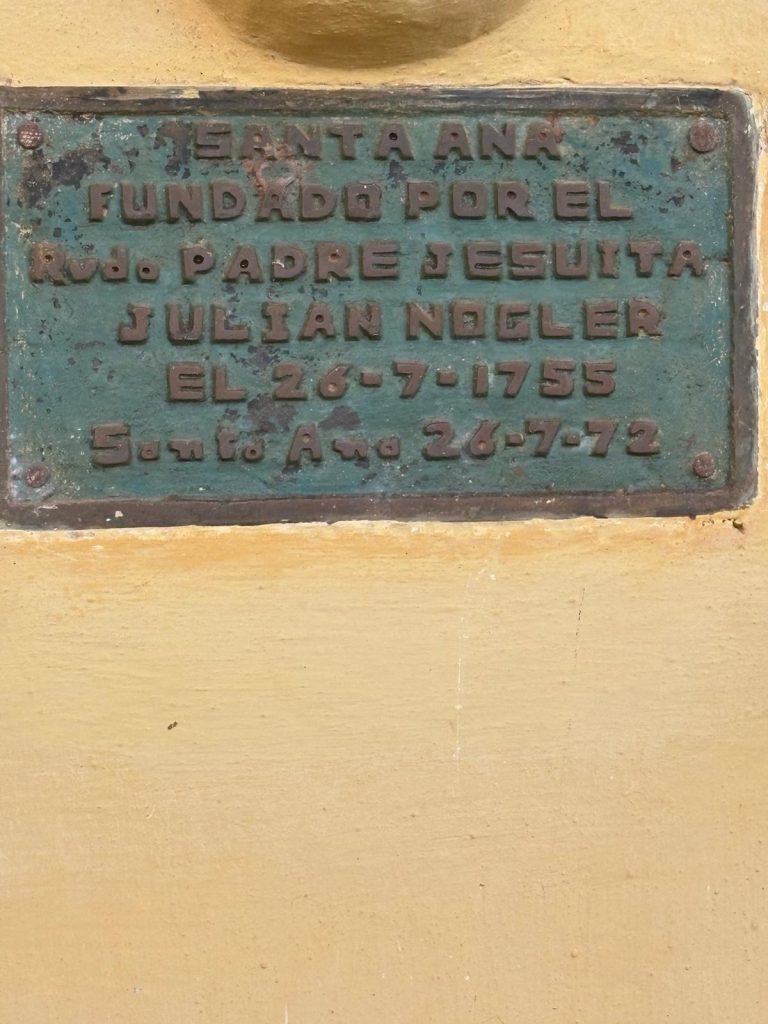
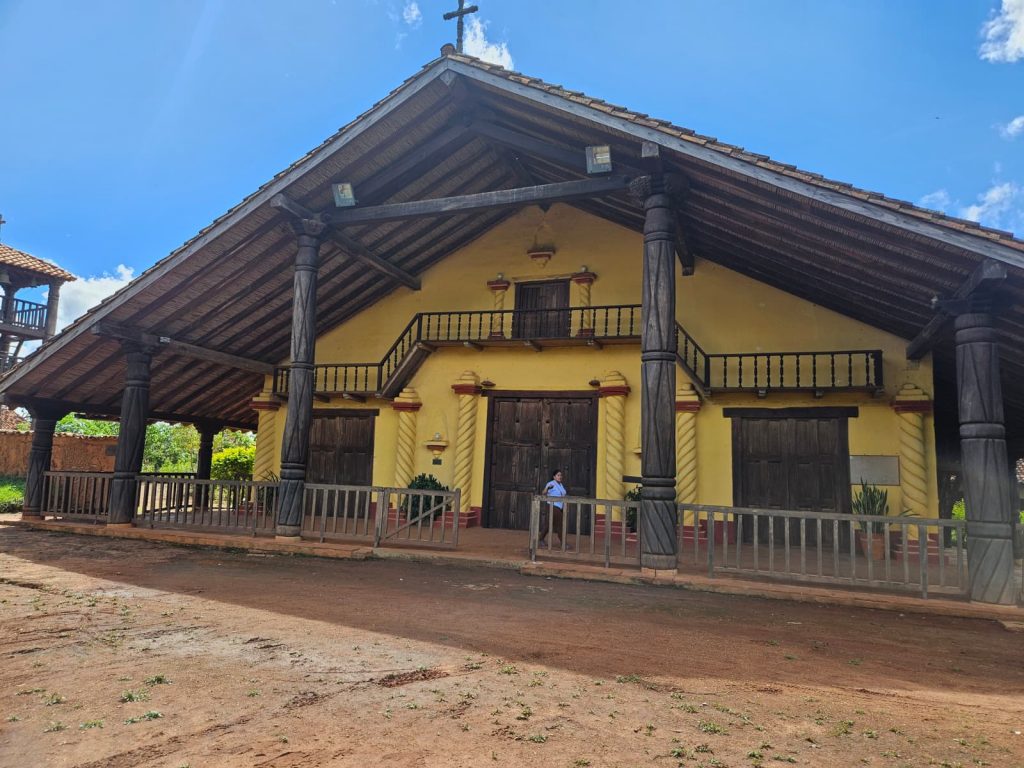
The Mission of Santa Ana, one of the oldest churches in the Chiquitania, holds the original organ, which has been refurbished.
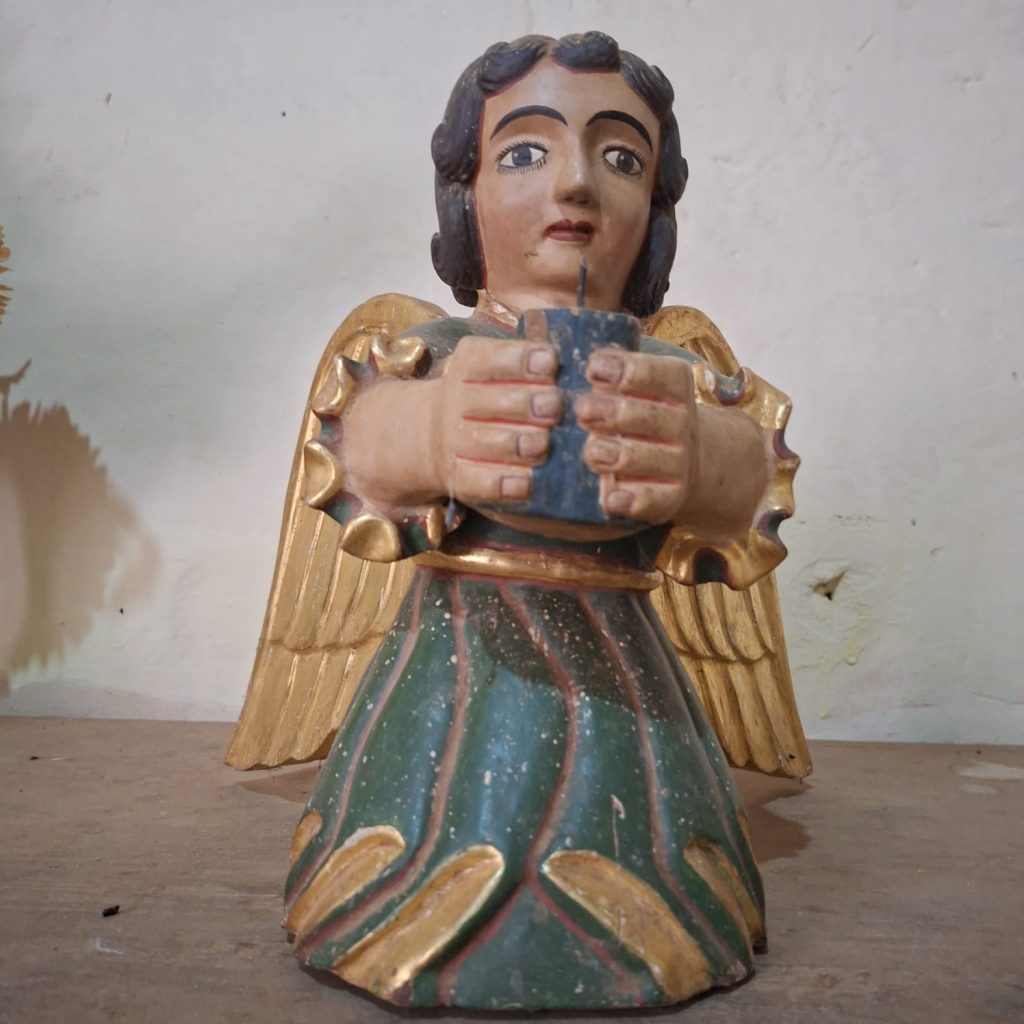
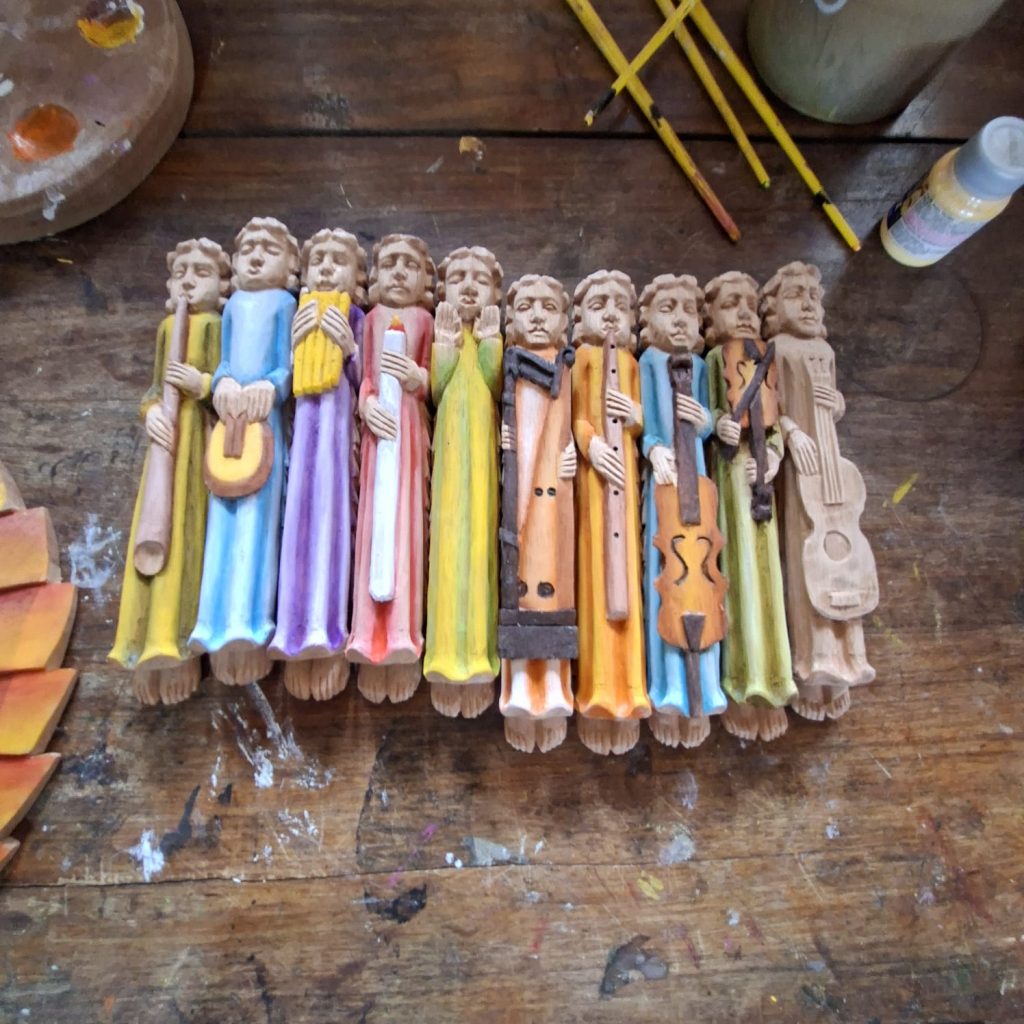
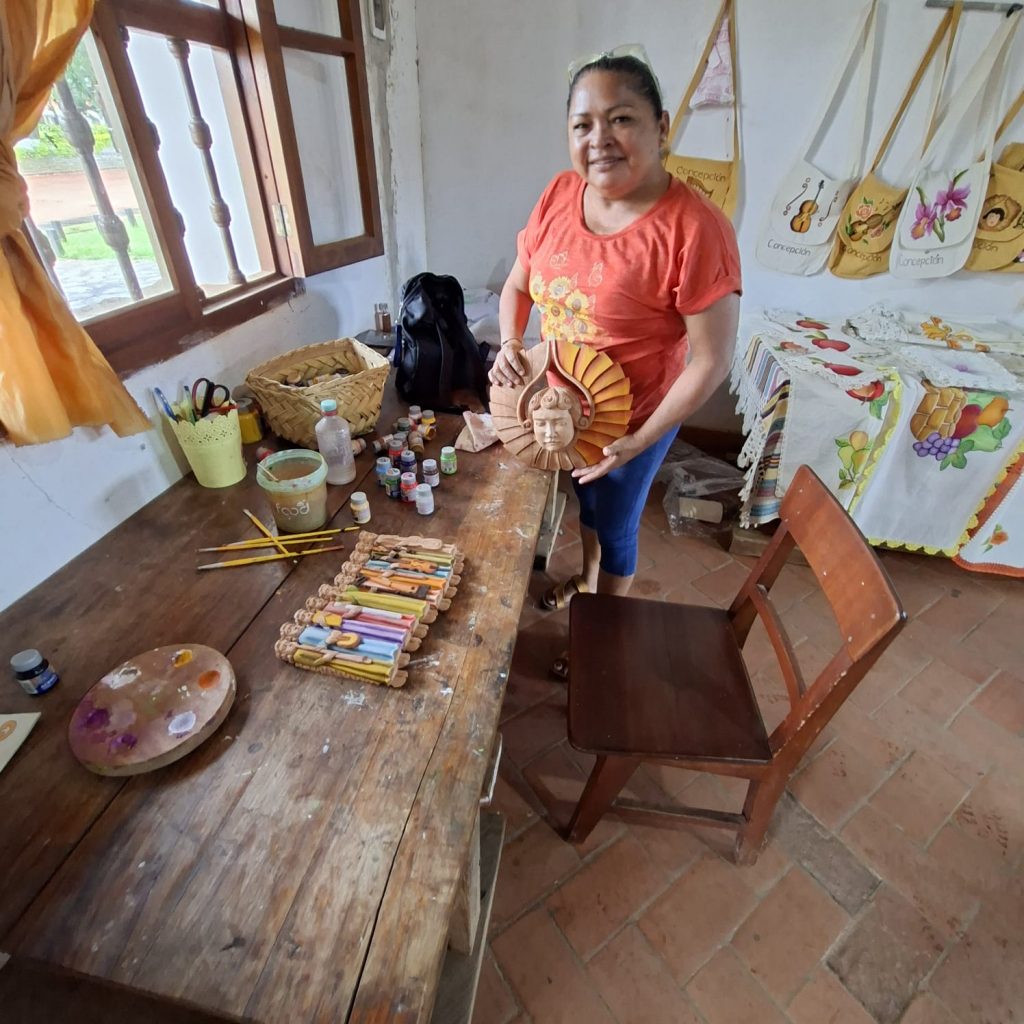
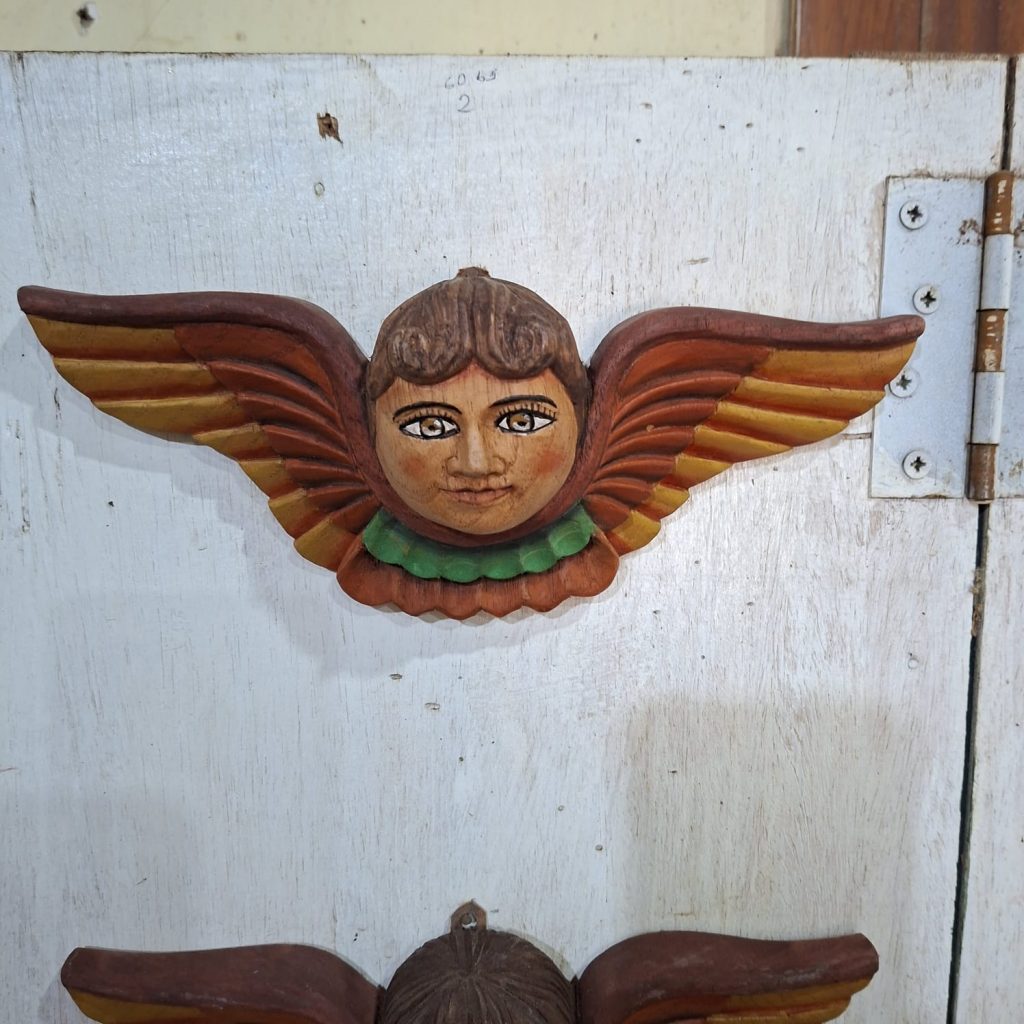
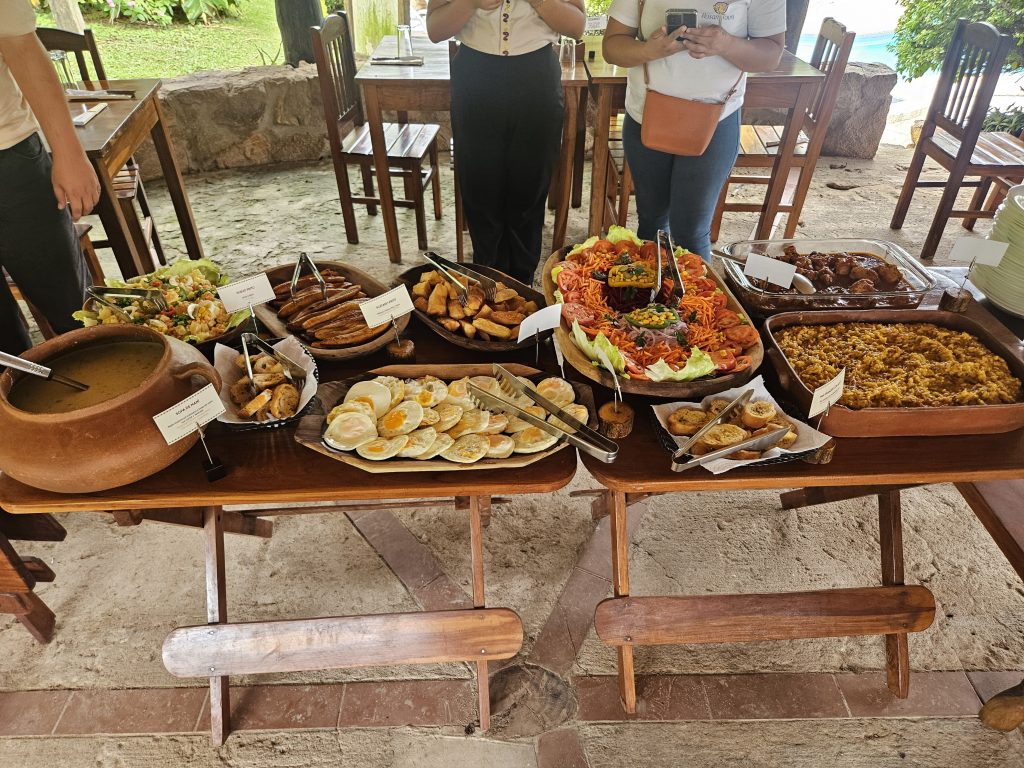
Parallel to the Festival was a gastronomic tour of various venues savoring the traditional food of the region as well as an exploration of the hand-made crafts produced in the communities, making the Festival the focus of economic sustainability for the people of the area. It is further recognition of the Festival’s intangible heritage with traditions that are still alive, meaningful, and actively practiced—not just historically important.
If you enjoyed this article, please consider sharing it!


Ad Codes Widget

